Air Duct Cleaning vs. Full HVAC Cleaning: Which One Does Your Building Need?
Duct work is one part of a ventilation system. Here is how to tell when the ducts alone are enough and when the whole system needs attention.
October 21, 2026 · 4 min read
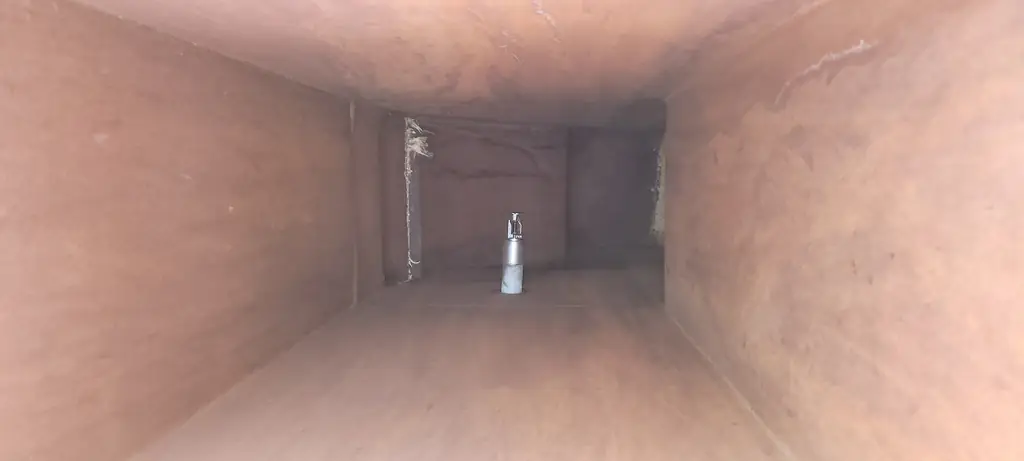
When a facility manager calls for a bid on air duct cleaning, the quote often comes back describing something broader than expected, or narrower. That is because the phrase means different things to different people. Some mean the metal and fiberglass pathways that carry air through the building. Others mean everything that moves, heats, cools and filters that air. Knowing the difference helps you request the right scope and compare bids fairly.
What commercial air duct cleaning covers
Air duct cleaning focuses on the distribution network: the passages that deliver conditioned air to rooms and pull return air back to the equipment. Over years of operation, dust, fibers, construction debris and general building dirt settle along the duct walls and collect at bends, dampers and registers. In a large building, those runs can stretch across several floors and ceiling plenums, and much of it is out of sight.
A proper duct cleaning typically addresses the following parts of the system:
- Supply ducts that carry heated or cooled air out to occupied spaces
- Return ducts and plenums that bring air back to the air handler
- Registers, grilles and diffusers at the points where air enters and leaves rooms
- Dampers and turning vanes inside the duct runs, where debris tends to catch
- Access points cut or opened so the cleaning tools can reach the full run
What a full HVAC system cleaning adds
The ducts are only the delivery route. The equipment that conditions and moves the air collects its own buildup, and that buildup affects airflow just as much as dirty ducts do. A broader HVAC system cleaning includes the duct network plus the machinery connected to it.
- Blower components, including the wheel, housing and motor area, where dirt on the blades reduces how much air the fan can move
- Air handling units, the large cabinets that house fans, filters and coils
- Evaporator coils, where dust sticks to the cold, damp fins and restricts airflow
- Condenser coils, which shed heat and lose efficiency when they are packed with debris
- Drain pans and the surrounding cabinet surfaces inside the unit
Metro Cleaning Service, Inc. cleans both layers. The methods include pressure washing, coil cleaning and inline cleaning, and which ones apply depends on what the system looks like once the crew opens it up.
How to tell which one your building needs
You do not have to guess. The symptoms you see in the building usually point toward the right scope. Start with what you can observe and then ask for an inspection of the parts you cannot see.
- Dust blowing from registers, or dark streaking around diffusers, points to the duct network
- Rooms that never reach the set temperature, even when the thermostat is satisfied elsewhere, can point to either dirty ducts or a fouled coil
- A unit that runs constantly, or a coil that looks matted when you open the access panel, points toward the air handler and coils
- Odors that appear whenever the system starts up often trace back to the air handling unit or its drain pan
- A recent renovation, tenant buildout or water event usually calls for the full system, because debris travels everywhere air goes
If your building falls into more than one of those groups, the full system is the better starting point. If you are a school, hospital or office building that has kept up with filter changes and coil maintenance and only sees dust at the registers, the ducts alone may be enough.
Why the order of the work matters
Cleaning ducts without touching the air handler leaves a source of fresh contamination feeding right back into clean ductwork. Cleaning a coil but ignoring heavy dust in the supply runs means the first hours of operation push that dust through the building. A good crew works in sequence, so debris is moved toward collection and not simply relocated. This is the reason a plan matters more than the equipment on the truck.
Planning the work around a busy building
Hospitals cannot shut down a wing for an afternoon, and an office tower has tenants arriving at seven. Cleaning work can be scheduled overnight, in the early morning or on weekends so the building keeps running. Duration depends on size: smaller facilities may take a few hours, while large multi-floor buildings take longer. Pricing depends on building size, duct configuration and system complexity, which is why a free quote starts with the details of your building and not a flat rate.
Ask the right questions before you hire
- Does the quote cover ducts only, or ducts plus blowers, air handling units and coils?
- How will the crew gain access, and who restores access panels afterward?
- Which cleaning methods will be used on each part of the system?
- Is the company licensed, bonded and insured?
- Can the work be scheduled outside normal operating hours?
Metro Cleaning Service, Inc. has served Twin Cities commercial and industrial facilities from Saint Paul since 1968 and is licensed, bonded and insured. To describe your system and get a free quote, see our air duct cleaning service at /services/air-duct-cleaning or call (651) 484-9799.
Metro Cleaning Service, Inc., (651) 484-9799
Call (651) 484-9799More articles
Warning Signs Your Commercial Building Is Due for Duct Cleaning
Most buildings give clear hints before ducts become a real problem. These are the signals facility teams should not ignore.
Commercial Kitchen Exhaust Cleaning: What Gets Cleaned, Start to Finish
Grease does not stay at the hood. It travels the whole exhaust path, and so should the cleaning.